
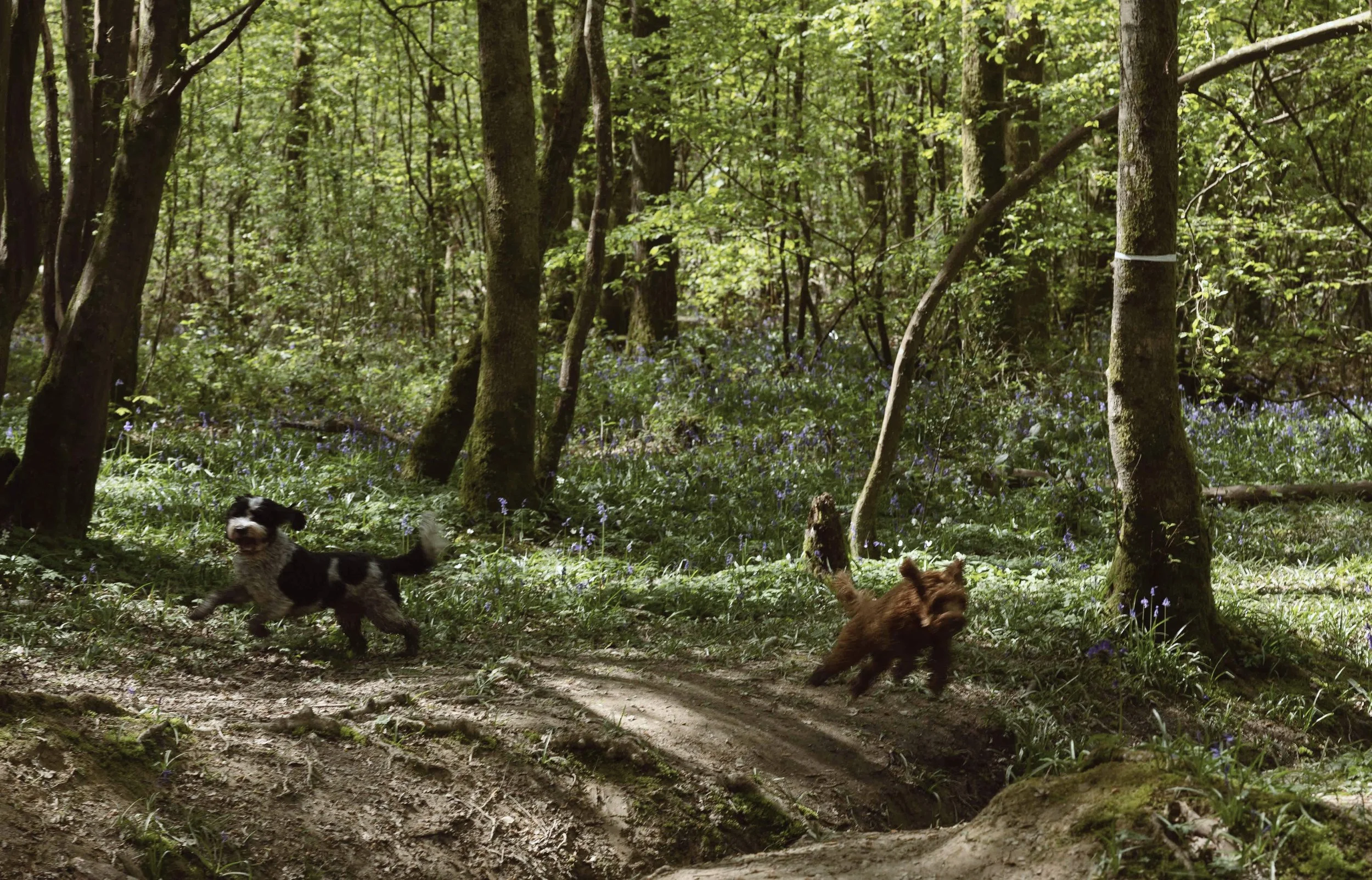
Canine Physiotherapy
What I offer
Physiotherapy is beneficial for a variety of canine patients. These include management of arthritis, improving performance in sporting dogs or rehabilitation after injury or surgery. Physiotherapy works to reduce pain, improve movement and restore function.
Treatment approaches
Advice on environment and exercise regimes
Manual treatment to muscles and joints – reduce pain, improve movement and function
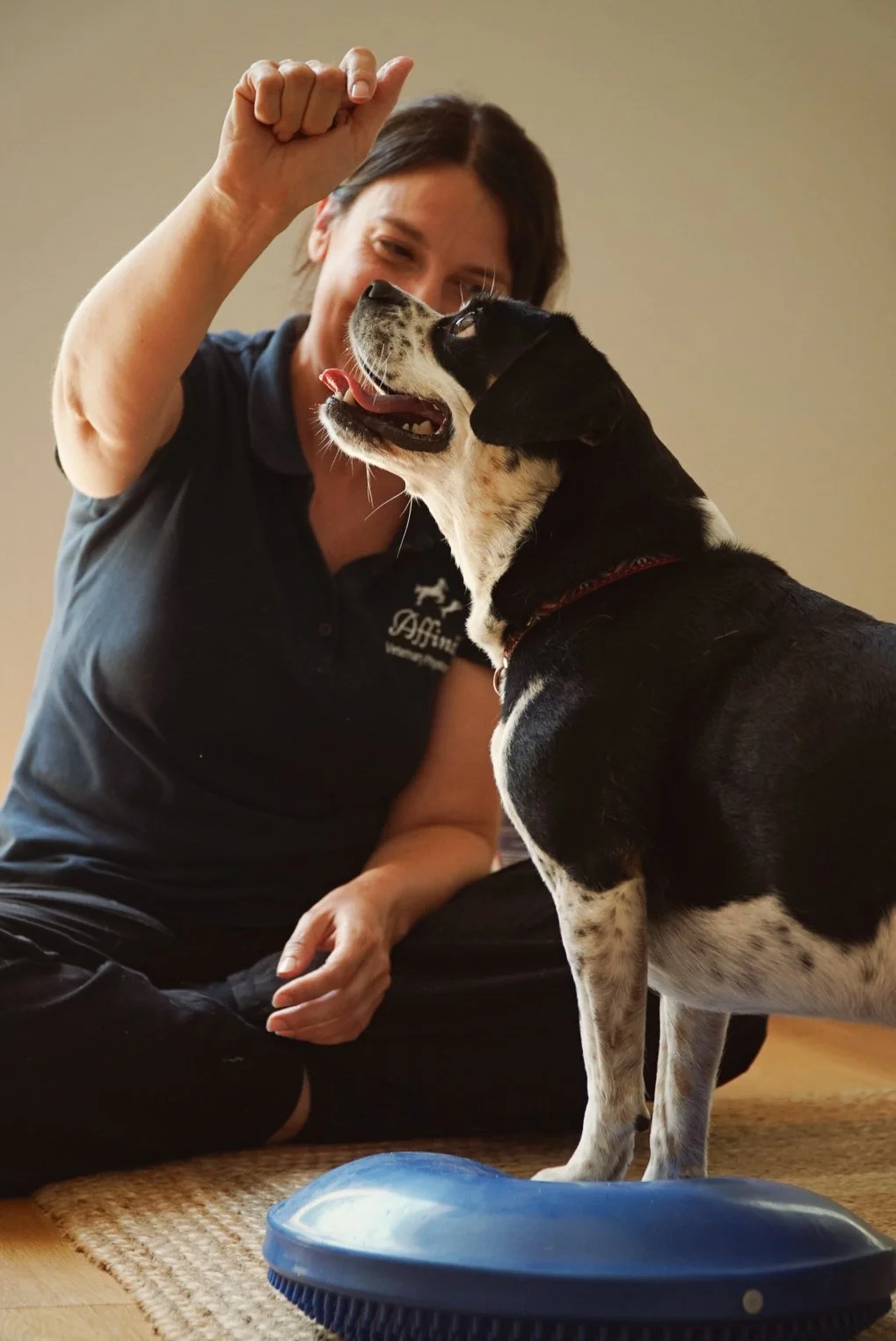
Tailored exercise programmes – stretches, strengthening and balance
TEN’s and Neuro-muscular stimulation – reduce pain, improve muscle strength.
Splints or joint supports – can also be used to help manage long-term conditions
Working with vets
At Affinity we work closely with the Canine’s Veterinarian to provide the best possible and most effective recovery or management for your canines needs. It is a legal requirement that Veterinary consent is gained prior to working with any animal. Please ask your Vet to fill out the consent form below and have this available for your first appointment.
Laser therapy
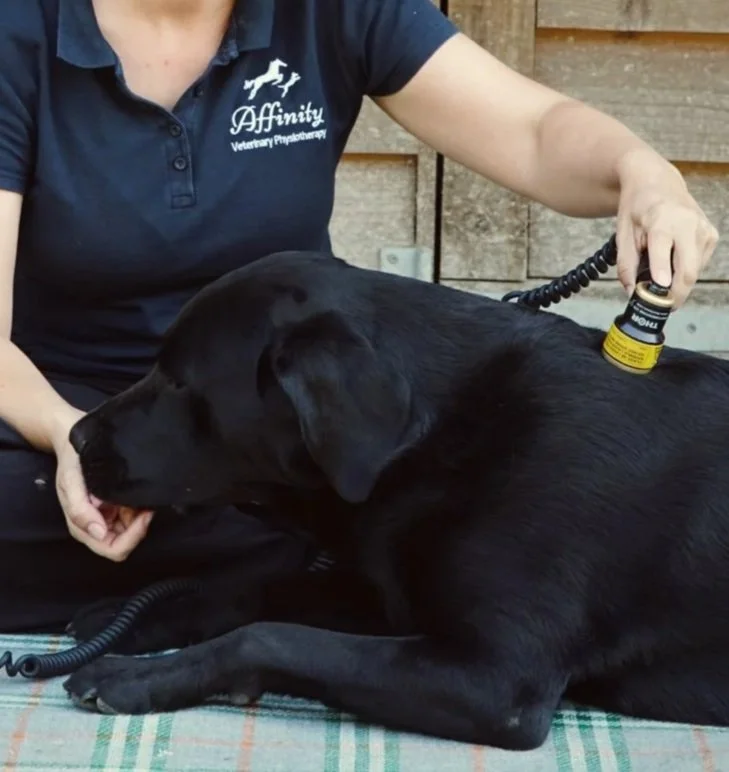
Gina is able to provide cold laser therapy during her physiotherapy sessions. There are many benefits to using laser therapy to assist with recovery and for pain management.
Helps speed up healing by stimulating mitochondria to produce more energy in the cells (ATP). This helps regenerate muscle, bone, nerve, ligaments and tendons.
Improves blood flow, which speeds up the healing process
Accelerates the removal of local inflammation, which in turn reduces pain.
Beneficial conditions to use laser
Arthritis
Post operatively on wounds, bone healing (e.g. TPLO and IVDD)
Muscle pain and spasm
Tendon injuries
Joint dysplasia’s such as elbow and hip.
Signs your Dog may need Physiotherapy


Difficulty getting up and down from the floor
Difficulty using stairs
Stiff after laying down or after exercise
Licking/chewing of joints

Change in behaviour including reluctance to perform usual activities
Change in performance in sporting dogs
Restlessness
Panting (when not hot)
What clients say…
Feline Physiotherapy
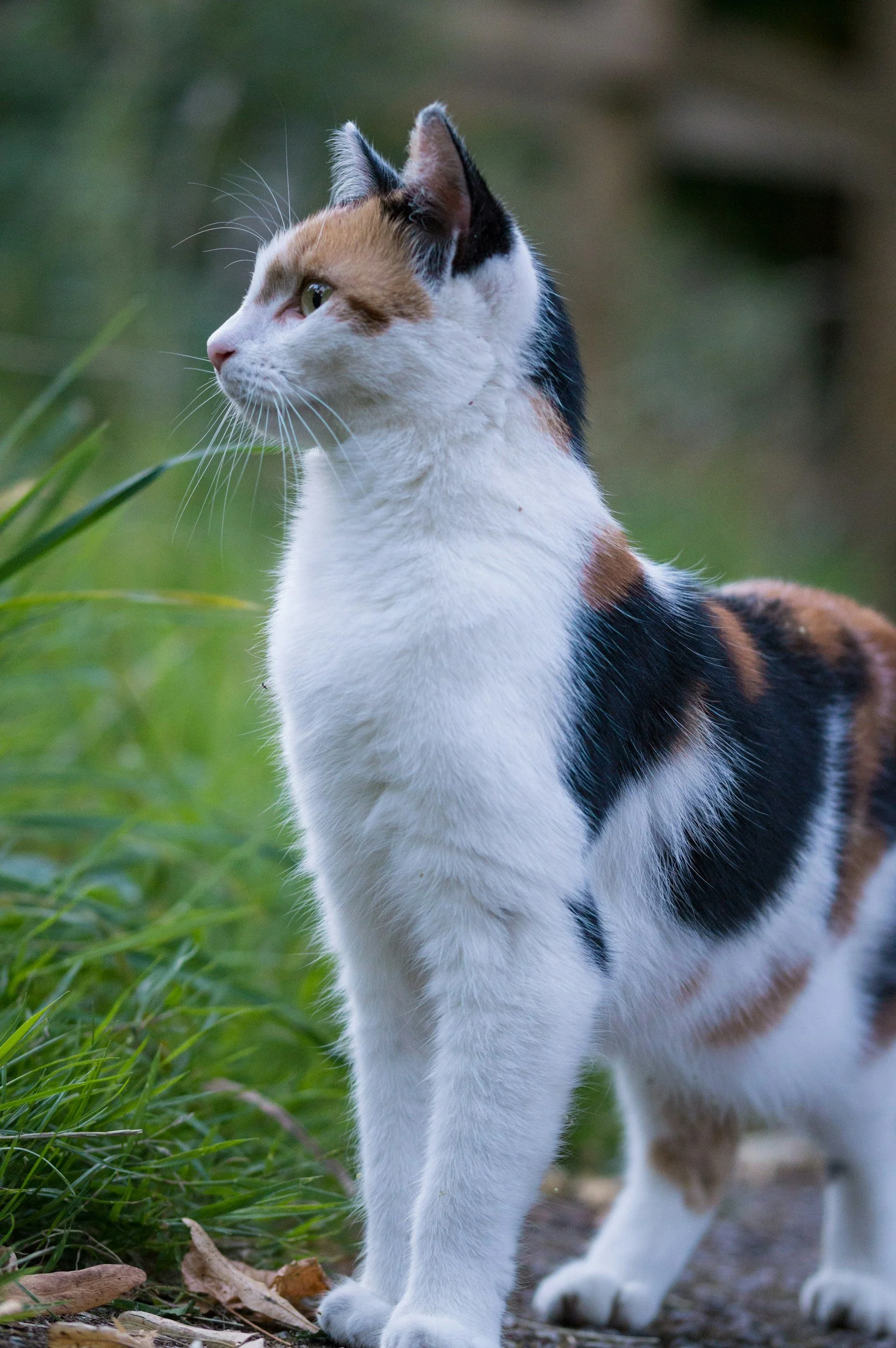
Feline physiotherapy combines the use of manual therapy (such as massage and range of movement exercises), electrotherapy (such as laser) and exercise therapy, to restore function and improve comfort.
Common conditions seen in cats
Pelvis stabilisations following road traffic accidents
Arthritis
Neurological pathology following injury
Signs your cat could benefit from physiotherapy
Reluctance to jump or not able to reach surfaces they could previously reach
Difficulty going up and down stairs
Issues with grooming
Reluctant to be touched e.g. on back
Stiffness / lameness
Working with vets
At Affinity we work closely with the Canine’s Veterinarian to provide the best possible and most effective recovery or management for your felines needs. It is a legal requirement that Veterinary consent is gained prior to working with any animal. Please ask your Vet to fill out the consent form below and have this available for your first appointment.
FAQs
How long are sessions?
Sessions are anything up to an hour. This usually depends on how much treatment is required and how settled your pet is. Some need more time to settle and relax (with the help of their favourite treats).
1
Where are you based?
I do not have a clinic and instead come out to you at home. Through the years I have found this to be the most effective way to provide treatment.
2
Do I need to set up anything or have anything ready for your session?
3
I just need some floor space with non-slip flooring e.g. rug or carpet. It always helps to have some of their favourite treats handy.
What is an initial assessment ?
This is the first session and can be up to an hour. I will talk to you in depth about the current issue and assess you dog. We will look at them walking and I will do a hands on assessment. We will have regular breaks to allow your pet to settle and relax. I will carry out treatment if this is needed, give advice on your environment and activity and set you up with exercises to do at home. Following the appointment I will send over the exercise instructions and also a send a physiotherapy report to your vets and to yourself.
4
How often will I need physio and how many sessions?
5
This depends on the issue your pet is having. I will be able to give you a more accurate information after assessing your pet. My aim is always to enable you to be able to help your pet as much as possible at home.